CPI Hits 2.7% in June, Fastest Since February as Food Prices Bite
 Sep, 12 2025
Inflation snaps back: June prices climbed faster than expected
After a cooler stretch earlier this year, U.S. prices picked up again in June. The Consumer Price Index rose 2.7% from a year ago, matching economist forecasts and marking the hottest annual pace since February’s 2.8%. On a monthly basis, prices rose 0.3%—the largest one-month increase since January—signaling that the downtrend that defined early 2025 has slowed.
Strip out food and energy—two areas known to swing—and core inflation increased 2.9% year over year, a notch softer than the 3.0% economists expected in a FactSet poll. That small miss on core offers a bit of relief, but it doesn’t change the bigger picture: price pressures are still above the Federal Reserve’s 2% target, and the monthly pace remains brisk. A 0.3% monthly rise, if repeated, would run at roughly a 3.7% annualized rate.
The CPI tracks what households pay for a fixed basket of goods and services. The headline number (2.7%) captures the whole basket, while the core gauge (2.9%) aims to show the underlying trend by excluding the most volatile categories. Together they show inflation is easing compared with last year but not yet back to a comfortable glide path.
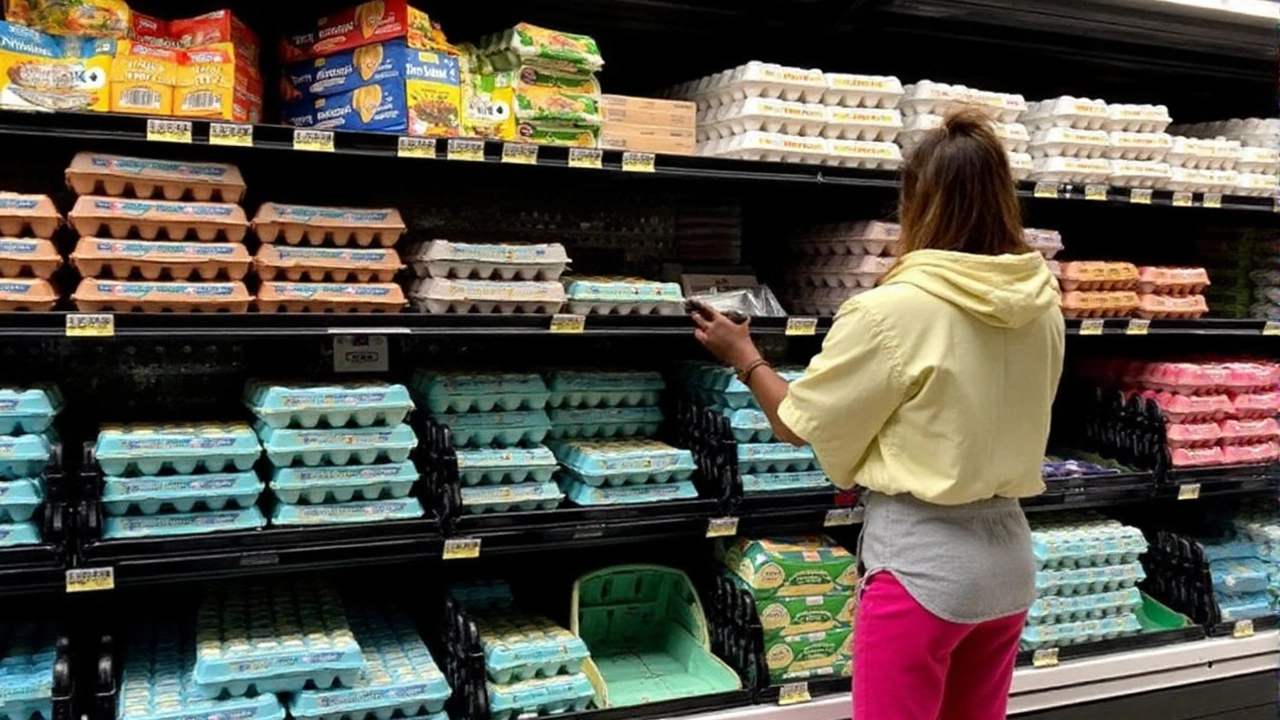
Food prices were a key pressure point. Grocery bills climbed 3% over the last year, outpacing the overall inflation rate. Within that, a few staples stood out for all the wrong reasons:
- Eggs: +27.3% year over year
- Roasted coffee: +12.7%
- Ground beef: +10.3%
These spikes hit everyday shopping lists. Eggs are notoriously sensitive to supply shocks, and meat and coffee prices can move with feed costs, weather, and global supply dynamics. For families trying to keep budgets in check, these outsized gains make the monthly grocery run feel heavier—especially when paired with higher prices for other essentials.
June’s data also fits a broader pattern this year: services inflation has stayed sticky while the big relief from goods disinflation has faded. Shelter—rent and the owner-equivalent measure that captures the cost of living in your own home—makes up a large slice of the CPI basket. Even moderate increases there can keep the overall index elevated. Energy and travel categories, meanwhile, can swing from month to month, amplifying the headline moves.
Why the re-acceleration now? Part of it comes down to momentum. Early in 2025, softer prints suggested price growth was settling. But supply chains are no longer delivering the same tailwind they did last year, and demand has held up enough to give businesses some pricing power. Wage gains in a still-resilient labor market also feed into service prices with a lag. None of this points to a surge, but it argues against a quick return to low, steady inflation.
For households, this backdrop forces trade-offs. A 0.3% monthly move is noticeable when applied to essentials. It can slow real wage gains if paychecks aren’t keeping pace, and it complicates savings goals throughout the summer—travel plans, back-to-school shopping, and big-ticket items like appliances or used cars. Some consumers negotiate rent renewals more aggressively or switch brands at the grocery store; others dip into savings or take on more balance on credit cards. The strain isn’t uniform, but it’s spreading beyond a few isolated categories.
For businesses, the picture is mixed. Companies facing higher input costs have to choose between raising prices, trimming promotions, or accepting thinner margins. Larger firms often have more room to maneuver, using scale or contracts to keep costs down. Smaller operators—restaurants, repair shops, local retailers—feel the pinch faster and may adjust prices more often. That churn shows up in the monthly data.
Financial markets will read this report through the lens of interest rates. The Federal Reserve targets 2% inflation and prefers the PCE index, which tends to run a bit cooler than CPI. Still, a 2.7% CPI print and a firm 0.3% monthly gain don’t strengthen the case for quick rate cuts. If inflation progress is bumpy, policymakers may want more evidence before easing. That could push rate-cut timing later in the year and reduce the number of cuts investors expect. Bond yields often rise after hotter inflation updates, and rate-sensitive sectors—housing, autos, small-cap stocks—tend to feel it first.
Context matters. Compared to the peak of the post-pandemic surge, inflation is way down. But compared to the goal line, it’s not there yet. Core at 2.9% is close, but the month-to-month rhythm matters more for the Fed right now. A few 0.2% months would rebuild confidence that inflation is sliding sustainably. A string of 0.3% prints would do the opposite.
From here, the focus shifts to incoming data. Producer prices will show how costs are moving upstream for businesses. Retail sales will hint at whether consumers are pushing back on higher prices or swallowing them. And the next readings on wages and employment will help explain how much fuel demand still has. If the labor market cools and supply-side pressures stay calm, inflation should drift lower. If demand stays firm and services inflation resists, price gains can hang around the high twos or low threes longer than anyone wants.
Bottom line for June: inflation re-accelerated, food costs bit hard, and the core trend stayed just under expectations. It’s not a shocker, but it’s not the all-clear either. Households will feel it in everyday purchases, and the Fed will take note as it weighs when—and how fast—to cut rates.

What to watch next
Keep an eye on the monthly pace as much as the annual rate. The year-over-year number can be swayed by what happened twelve months ago. The monthly change shows today’s momentum. If monthly inflation cools back to 0.2% or lower, the annual rate will follow. If it sticks at 0.3%, the path back to target gets longer.
Also watch the mix. Goods prices did the heavy lifting in bringing inflation down last year; there’s less juice left there. Services—especially shelter and labor-heavy categories—will likely decide the next leg. For now, June’s report says price pressures haven’t vanished. They’ve just shifted, and they’re asking consumers and policymakers for a little more patience.