Phillies snag Jhoan Duran; Twins aid iconic entrance recreation
 Oct, 10 2025
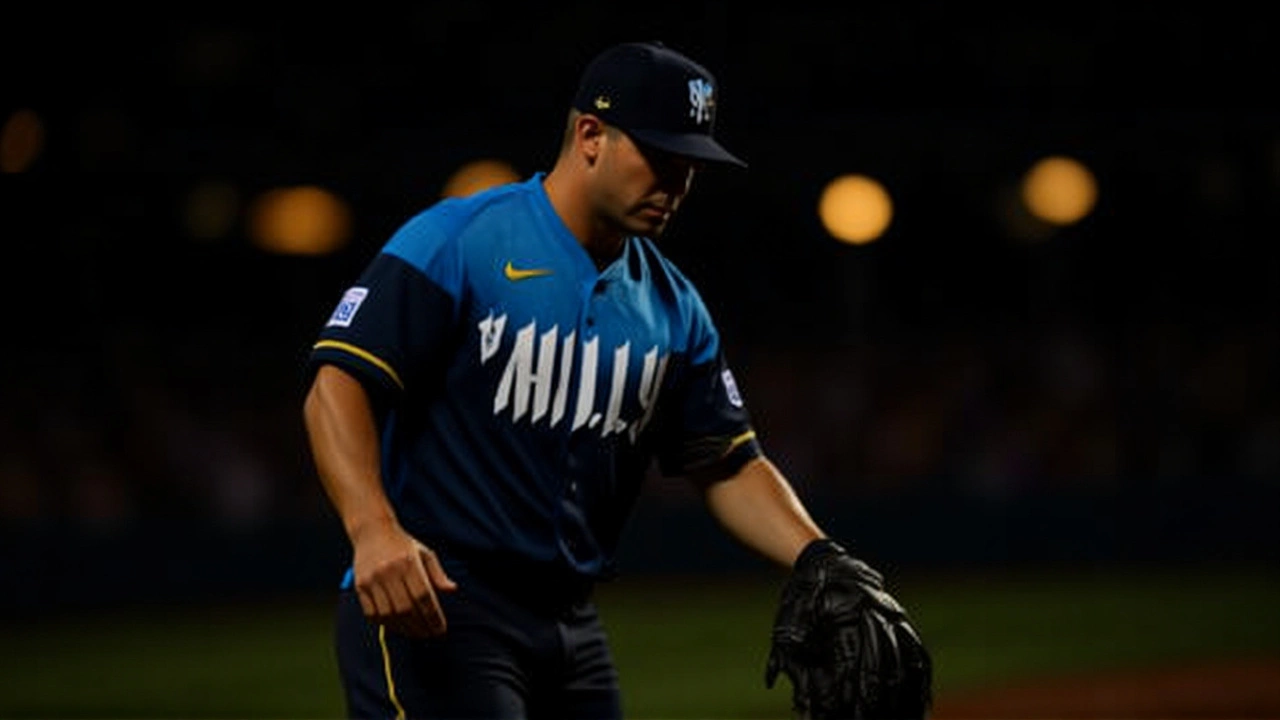
When Jhoan Duran, a 27‑year‑old right‑handed closer, stepped onto the mound for Philadelphia, the whole league felt the tremor.
The trade was sealed on July 31, 2025, just before the MLB trade deadline, sending Duran from the Minnesota Twins to the Philadelphia Phillies in exchange for two top prospects: catcher Eduardo Tait (MLB Pipeline’s No. 56) and right‑handed pitcher Mick Abel (ranked No. 92). The deal instantly became one of the season’s headline‑makers, not just for the talent exchanged but for a surprising act of goodwill that unfolded at Citizens Bank Park.
Deal Overview: Who gave up what and why
General Manager Thad Levine of the Twins had been reshaping his roster all week. After dispatching starter Chris Paddack on July 30, the franchise doubled‑down on a rebuild, cashing in two of its prized prospects for a reliever who can still be controlled through the 2028 season.
Phillies GM Sam Fuld made it clear he was buying into a World Series push. “The price on elite relievers is through the roof,” he told reporters on July 31, “and if we believe we can win it all, we have to pay it.” The exchange of talent aligns neatly with each club’s competitive window: Philadelphia is in win‑or‑lose mode; Minnesota is grinding out assets for a future that looks a few years away.
Duran’s dominance: the stats that sealed the deal
At the time of the trade, Duran’s numbers read like a textbook case for a closer‑by‑any‑standard. He posted a 1.66 ERA, ranking sixth among pitchers with at least 43 innings at the All‑Star break, and he hadn’t allowed a single home run all season. His fastball hovered at 100.3 mph, his splitter sat at 97.5 mph, and his curve kept hitters guessing. The contract side was equally attractive: a $4.125 million salary for his first arbitration year, with team control extending to the end of 2028.
“He’s the kind of arm that changes the complexion of a bullpen instantly,” said ESPN analyst Jeff Passan. “If you’re looking at a team that’s a few games away from the postseason, adding a guy like Duran is a game‑changer.”
The signature entrance: a collaborative theatrical stunt
The most talked‑about element of the transaction wasn’t the cash or the prospects—it was the entrance. Duran’s “Undertaker‑style” ritual—lights dimming, fans flashing phones, and a resonant bell toll—had become a staple at Target Field, thanks to an elaborate production team led by Senior Director of Ballpark Entertainment Tyler Morse. When the Phillies prepared for his debut at Citizens Bank Park, the Twins unexpectedly offered the full suite of digital assets, music files, and cue sheets.
“The Twins didn’t have to do anything,” Morse told Sports Illustrated. “We poured hundreds of hours into that package, and sharing it was a move for the greater good of baseball fans.” Production manager Matt Gelb confirmed that the Twins shipped the exact lighting scripts and audio tracks, letting Philadelphia’s own entertainment crew replicate the moment down to the millisecond.
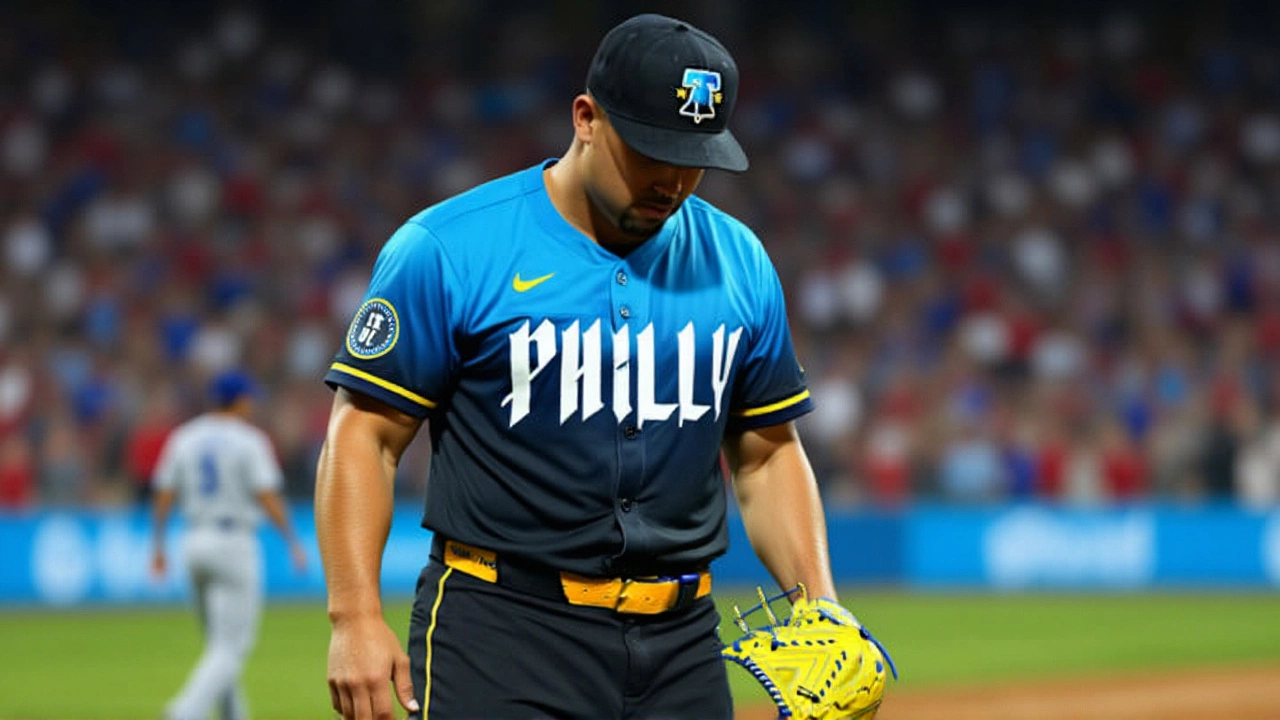
The result, captured by Sports Illustrated’s Tyler Lauletta on August 4, was cinematic: as Duran stepped toward the plate, the stadium plunged into darkness, thousands of phones flickered like a sea of fireflies, and the iconic bell bellowed, prompting a collective gasp. “It was epic theater,” Lauletta wrote, noting that the gesture turned a routine player debut into a cultural event.
Reactions: applause, criticism, and everything in between
Fans on both coasts took to social media. Phillies supporters lauded their front office for securing a closer who could shut down late‑inning threats, while Twins fans expressed a bittersweet mix of admiration and loss. “I’m proud we helped keep the magic alive for the fans, even if we’re saying goodbye to Jhoan,” posted one Minnesota user.
Not everyone thought the Twins’ generosity was without motive. A few analysts argued the move bolstered the Twins’ reputation as a “good‑will” organization, potentially smoothing future trades. Nonetheless, the prevailing narrative highlighted sportsmanship over strategy.
What this means for Philadelphia’s World Series chase
Adding Duran instantly upgraded the Phillies’ bullpen from a solid to an elite unit. With starter Zack Wheeler and emerging ace Nick Castellanos already anchoring the rotation, the club now has a late‑inning stopper capable of preserving narrow leads. “If you’re within a win or two of the division lead, a closer like Duran can be the difference between a playoff berth and watching from the stands,” said MLB Network’s Jon Morosi.
Beyond the on‑field impact, the trade sends a market signal: Philadelphia is willing to part with top‑tier prospects to win now. That could influence other contenders to test the Twins’ rebuild offers, creating a ripple effect across the league.
Twins’ rebuild: prospects, prospects, and more prospects
Eduardo Tait, the 21‑year‑old catcher, joins a Twins farm system that has already lost several high‑profile arms. His defensive framing and pop‑time have drawn praise, and he is expected to compete for a major‑league spot within a year. Mick Abel, who struggled in his six Phillies starts before returning to Triple‑A, is slated to be the No. 6 prospect in Minnesota’s pipeline, providing depth for a rotation that’s likely to be in flux.
Levine’s front office sees the deal as a “reset button” for the rebuild. By pivoting away from short‑term rental talent, the Twins can focus on developing a home‑grown core that could contend by 2029.
Looking ahead: trade deadline fallout and future moves
With the deadline now behind them, both clubs will watch the next 30 days closely. Philadelphia’s front office may still be active, targeting a middle‑relief arm or a bench player to complement Duran. Meanwhile, the Twins could be positioning themselves for the 2026 draft, using the prospects acquired to fill gaps in the outfield and in‑field defense.
One thing is crystal clear: the Duran trade will be referenced for years as a case study in how a transaction can be both business‑driven and fan‑centric.
Key Takeaways
- Phillies acquire elite closer Jhoan Duran for top prospects Eduardo Tait and Mick Abel.
- Duran entered with a 1.66 ERA, 100.3 mph fastball, and team control through 2028.
- Twins shared the full entrance production package, a rare act of goodwill in modern MLB.
- The move signals Philly’s World Series push and Minnesota’s continued rebuild.
- Fans and analysts alike praised the collaborative entrance as a high‑point of baseball entertainment.
Frequently Asked Questions
How does the Duran trade affect the Phillies' bullpen?
Philadelphia instantly upgrades its late‑inning firepower. Duran’s 1.66 ERA and 100 mph fastball give the club a shutdown closer, turning many one‑run games into wins and strengthening their World Series chances.
What did the Twins give up beyond the players?
Beyond Eduardo Tait and Mick Abel, the Twins provided the full digital assets, lighting cues, and soundtrack for Duran’s signature entrance, allowing the Phillies to reproduce the theatrical experience at Citizens Bank Park.
Why is the entrance gesture considered significant?
It demonstrates an unprecedented level of cooperation between rival clubs, prioritizing fan experience over strict competitive advantage. The move garnered national media attention and set a new standard for post‑trade goodwill.
What are the prospects' prospects?
Eduardo Tait is projected as a future everyday catcher with elite framing skills, while Mick Abel, a former first‑rounder, could develop into a reliable back‑of‑the‑rotation starter. Both are expected to help the Twins within the next two seasons.
What might the Phillies do next after acquiring Duran?
Analysts expect Philadelphia to explore a late‑round reliever or a versatile bench bat to round out the roster, while also monitoring the health of its starting rotation as the postseason approaches.