The Myth of the Apolitical Sex Worker
 Dec, 4 2025
People often pretend that sex work is just a job-neutral, private, and disconnected from power, politics, or protest. But that’s a myth. Every time a sex worker walks out the door, they’re stepping into a system built on laws that criminalize them, stigma that silences them, and economic pressures that leave few choices. The idea that they’re "apolitical" ignores how deeply their lives are shaped by policy, policing, and prejudice. This isn’t about morality. It’s about survival in a world that refuses to see them as full human beings.
Some try to separate "good" sex workers from "bad" ones-like the "escort girl in dubai" who’s framed as glamorous and voluntary, while others are painted as victims or criminals. That false binary serves a purpose: it lets society ignore the real issue. Whether someone works in a luxury apartment in Dubai or on a street corner in Seattle, they’re still subject to the same legal structures that treat their labor as illegitimate. A dubai escort girl might earn more, wear designer clothes, and book clients online, but she’s still vulnerable to deportation, exploitation, and arrest if the law changes overnight. Her privilege is surface-deep.
Politics Isn’t Just About Protests
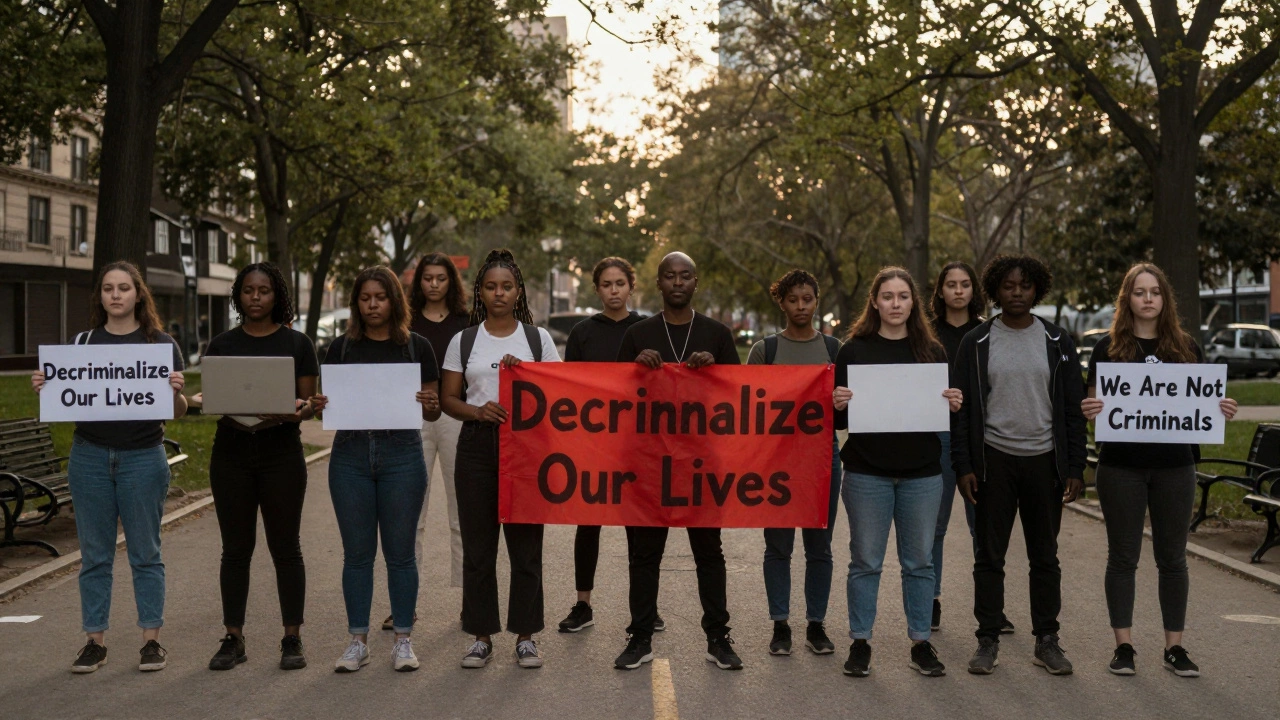
When people say sex work is "apolitical," they usually mean it doesn’t involve rallies or slogans. But politics isn’t just about marches. It’s about who gets to decide what’s legal, who gets protected by the law, and who gets ignored. In the U.S., the decriminalization movement isn’t about promoting sex work-it’s about removing the penalties that make it dangerous. In countries like Sweden, the law targets clients, not workers, claiming to "protect" women. But in practice, it pushes sex work further underground, making it harder to report violence or access healthcare. Neither approach helps the people doing the work. Both treat them as problems to solve, not people to empower.
Money Doesn’t Make It Neutral
There’s a dangerous assumption that if someone earns a lot of money, their work isn’t coerced. That’s why the "girl escort dubai" image gets so much attention-it fits a fantasy of choice and control. But money doesn’t erase power imbalances. A woman earning $5,000 a night in Dubai still can’t walk away if her manager takes her passport. She still can’t call the police if a client assaults her. She still lives under the threat of being deported if her visa is tied to a sponsor who controls her income. The glamour doesn’t shield her from the system. It just makes it harder for people to see the chains.
Media Builds the Myth
News outlets and TV shows love stories about sex workers who "escaped" the life or became CEOs after leaving it. These narratives are comforting because they suggest the problem is individual, not structural. You don’t need to change the law if you can just tell people to "get a real job." But what about the thousands who don’t have the option? What about the ones who stay because rent is due, or because they’re supporting a sibling’s education, or because they’ve been told for years that nothing else is available? The myth of the apolitical sex worker lets society off the hook. It lets us feel good about ourselves while ignoring the policies that keep people trapped.
Real Voices, Real Choices
Sex workers have been organizing for decades. In the U.S., groups like the Sex Workers Outreach Project and the Global Network of Sex Work Projects push for decriminalization, housing rights, and access to banking. In Thailand, India, and South Africa, sex worker collectives run health clinics and legal aid networks. These aren’t activists in the traditional sense-they’re workers demanding the same rights everyone else takes for granted: safety, dignity, and the right to exist without fear. Their politics isn’t loud, but it’s relentless.

Why the Myth Persists
The myth survives because it’s convenient. It lets politicians avoid hard conversations. It lets clients feel comfortable. It lets families pretend their daughter isn’t working in a basement apartment because she "chose" it. It lets economists ignore the $150 billion global sex industry as if it’s invisible. But invisibility isn’t neutrality. It’s erasure. And erasure kills.
What Changes When We Stop Believing the Myth
When we stop pretending sex work is apolitical, we start seeing the solutions. Decriminalization isn’t about endorsing sex work-it’s about removing the legal barriers that make it deadly. Access to housing, healthcare, and banking should be guaranteed, not granted as favors. Police shouldn’t be the first responders to sex work-they should be held accountable when they’re the ones exploiting it. And most importantly, sex workers should be at the table when laws are written. Not as case studies. Not as victims. As experts.
There’s no such thing as an apolitical sex worker. Every person doing this work is already political-because the world won’t let them be anything else. The real question isn’t whether they’re political. It’s whether we’re willing to listen.